 Available in US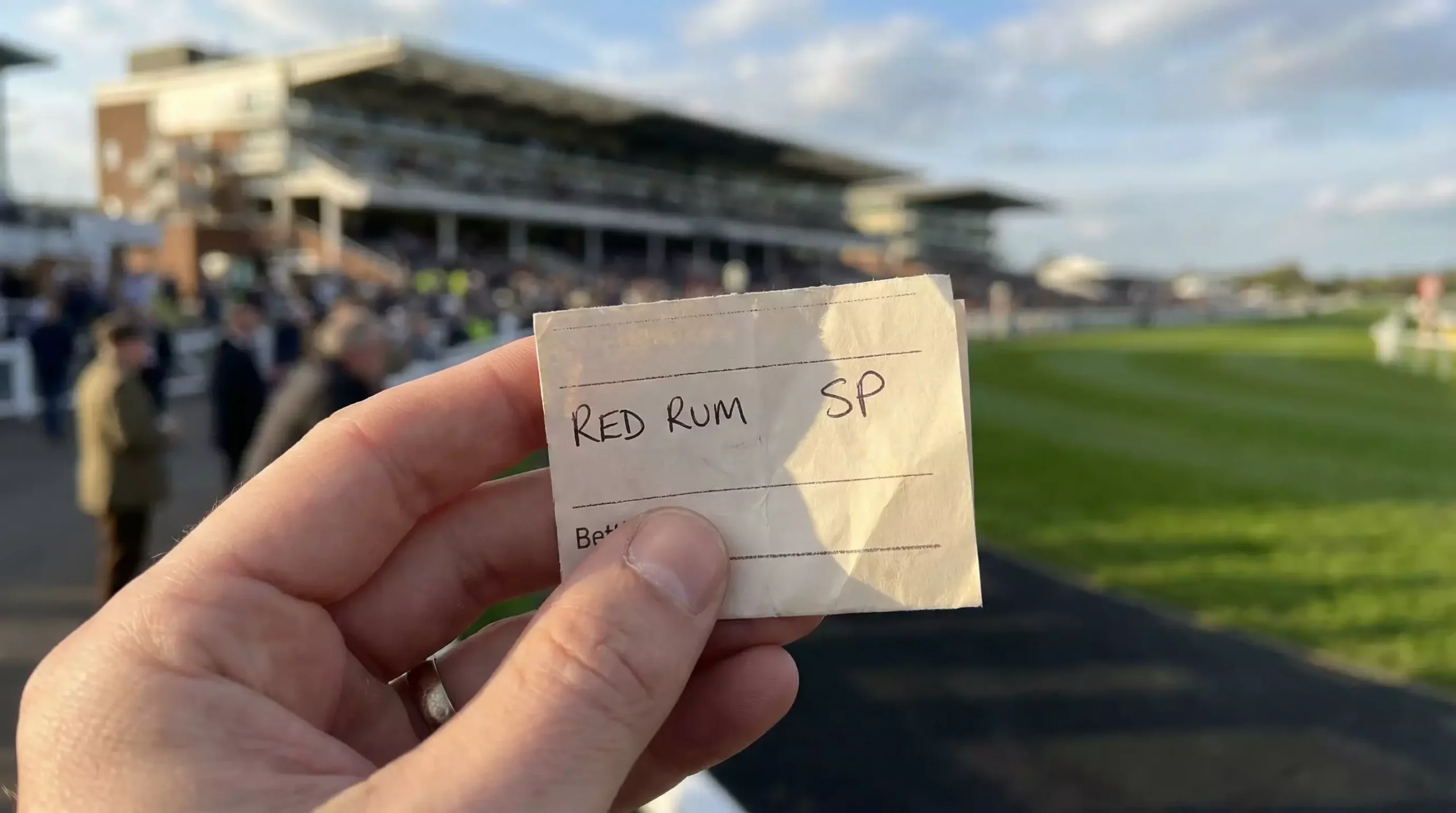
You’ve Seen ‘SP’ on the Slip — Here’s What It Means
You are standing in a bookmaker’s shop — or, more likely, scrolling through a betting app — and next to the horse’s name you see two letters: SP. No number. No fraction. Just SP. If you have ever wondered what that means and whether you should tap it, this guide is for you. What Does SP Mean in Horse Racing? A Beginner’s Guide — More on this topic at horse betting sp.
SP stands for Starting Price. It is the official price of a horse at the moment the race begins — the last price before they race. Not the price at 10am. Not the price when you placed your bet. The price the market settles on at the exact moment the stalls open or the tape goes up. The Gambling Commission’s survey data suggests around 7% of UK adults have bet on horse racing in any given four-week period, which means millions of people encounter SP every year. Most of them have only a vague idea what it actually commits them to.
This article explains it without jargon, without maths, and without assuming you know your way around a racecard. By the end you will understand what SP is, why it exists, and when it makes sense to choose it.
SP on Your Betting Slip: What You’re Actually Agreeing To
When you place a bet and select SP instead of a specific price, you are making a deal with the bookmaker that goes something like this: “I want to back this horse, and I will accept whatever the official starting price turns out to be.” You do not know the exact number at the time of placing the bet. It could be higher than what is currently showing on screen. It could be lower. You will not find out until the race is about to start.
Think of it like buying something at auction rather than off the shelf. In a shop, the price tag is the price tag — you know what you are paying before you hand over the money. At auction, you agree to buy, but the final price depends on what everyone else in the room is willing to pay. SP works on a similar principle: the final price is shaped by the collective weight of money from all punters and bookmakers in the minutes before the race.
On a betting slip — whether paper or digital — an SP bet will typically show the horse’s name, your stake, and the letters SP where a price like 5/1 or 3.50 would normally appear. After the race, once the official starting price has been determined, your slip updates to show the actual odds and your return. If you backed a winner at SP and the starting price was 4/1, your £10 bet returns £50 — a £40 profit plus your stake.
One important detail: you cannot negotiate the SP. It is not set by your bookmaker alone. It is an industry-wide figure calculated through a regulated process involving a sample of bookmaker prices. Every licensed bookmaker in Britain uses the same SP for the same horse in the same race. That consistency is what makes it the standard settlement price for millions of bets every year.
If you have ever placed a bet after the final price was already displayed and thought you were choosing SP, you may have actually taken a fixed price. The distinction matters: a fixed price cannot change after you bet, but an SP bet remains open until the off. Check your receipt carefully — most apps make it clear which you have selected.
Why SP Exists: The Problem It Solves
Horse racing is not like football, where the odds might shift a point or two between morning and kick-off. In racing, a horse’s price can double or halve in the space of twenty minutes. A change of jockey, a rain shower, a whisper from the parade ring — any of these can send money flooding toward or away from a runner. The market is alive right up to the moment the race begins.
That creates a problem. If you bet at 10am and the race is at 3pm, the price you took might be wildly out of line with reality by the time the horses leave the stalls. SP solves this by providing a final, definitive price that reflects the market at its most informed — the very last moment before the outcome is decided. It is the industry’s way of saying: here is what this horse was actually worth, according to all available information, right at the off.
The system also protects the sport’s integrity. Horse racing in Britain is a significant economic engine, contributing an estimated £4.1 billion in annual economic activity and supporting around 85,000 jobs across racecourses, training yards, and breeding operations. A reliable, transparent pricing mechanism underpins the trust that keeps that economy running. Without a standard price that all bookmakers accept, disputes over payouts would be constant, and public confidence in the betting product would erode.
SP also matters for the industry’s funding model. The Horserace Betting Levy — the mechanism that channels a percentage of bookmaker profits back into prize money, horse welfare, and racecourse investment — is calculated partly on SP-settled bets. The price is not just a number on your slip; it is a structural pillar of how British racing pays for itself.
When You Might Choose SP Over a Named Price
There is no rule that says you must take SP. In most situations you can pick a specific price from the list on screen and lock it in. But there are a handful of scenarios where SP is the more practical — and sometimes the smarter — choice.
The first is when you simply do not have time to follow the market. If you are placing a bet in the morning for a race that afternoon, you may not be in a position to monitor price movements. By selecting SP, you avoid the risk of locking in a price that looks generous at 9am but proves terrible by 2pm because the horse has a poor warm-up or the going changes.
The second is when the market is particularly volatile. Big-field handicaps — think the Cambridgeshire at Newmarket or a competitive Saturday handicap at York — can see dramatic price swings as late money arrives. In these races, the early price is essentially a guess. SP waits for the dust to settle.
The third is when you are betting each-way or placing exotic bets like forecasts and tricasts. These bet types involve multiple prices interacting with each other, and trying to lock them all in at fixed odds can be impractical. SP keeps things simple: one mechanism, applied consistently across every leg.
And the fourth — one that regular punters know well — is when you are using a Best Odds Guaranteed promotion. Many UK bookmakers promise to pay you the higher of your fixed price or the SP. If you take a price of 4/1 and the SP turns out to be 6/1, you get 6/1. In this setup, you are not really choosing between fixed odds and SP. You are getting a hybrid: your price as the minimum, with SP acting as a free upgrade if the market moves in your favour.
Three Things to Remember About SP
SP is the same everywhere. It does not matter whether you bet with Bet365, William Hill, Betfred, or any other licensed bookmaker. The official starting price for a given horse in a given race is one number, set through a regulated industry process. Your bookmaker does not get to choose a different SP. This universality is what makes it trustworthy.
SP is determined at the off, not before. The price shown on screen ten minutes before the race is a live market price — it is subject to change. The SP crystallises only when the starter calls them into line and the race begins. If you want certainty before that moment, you need a fixed price, not SP.
SP includes a bookmaker margin. The starting price is not a “fair” reflection of a horse’s chance in the mathematical sense. It includes the bookmaker’s overround — the built-in margin that ensures the book makes a profit over time. This margin varies by race, but it means that blindly taking SP on every bet will produce a negative return in the long run. SP is a tool, not a strategy. Use it when the situation calls for it, and pair it with good selection judgment. See also SPRC Explained.
That is SP in a nutshell. The last price before they race — nothing more, nothing less. Understanding it will not make you a winner on its own, but misunderstanding it is one of the easiest ways to start a day at the races on the wrong foot.
