
 Available in US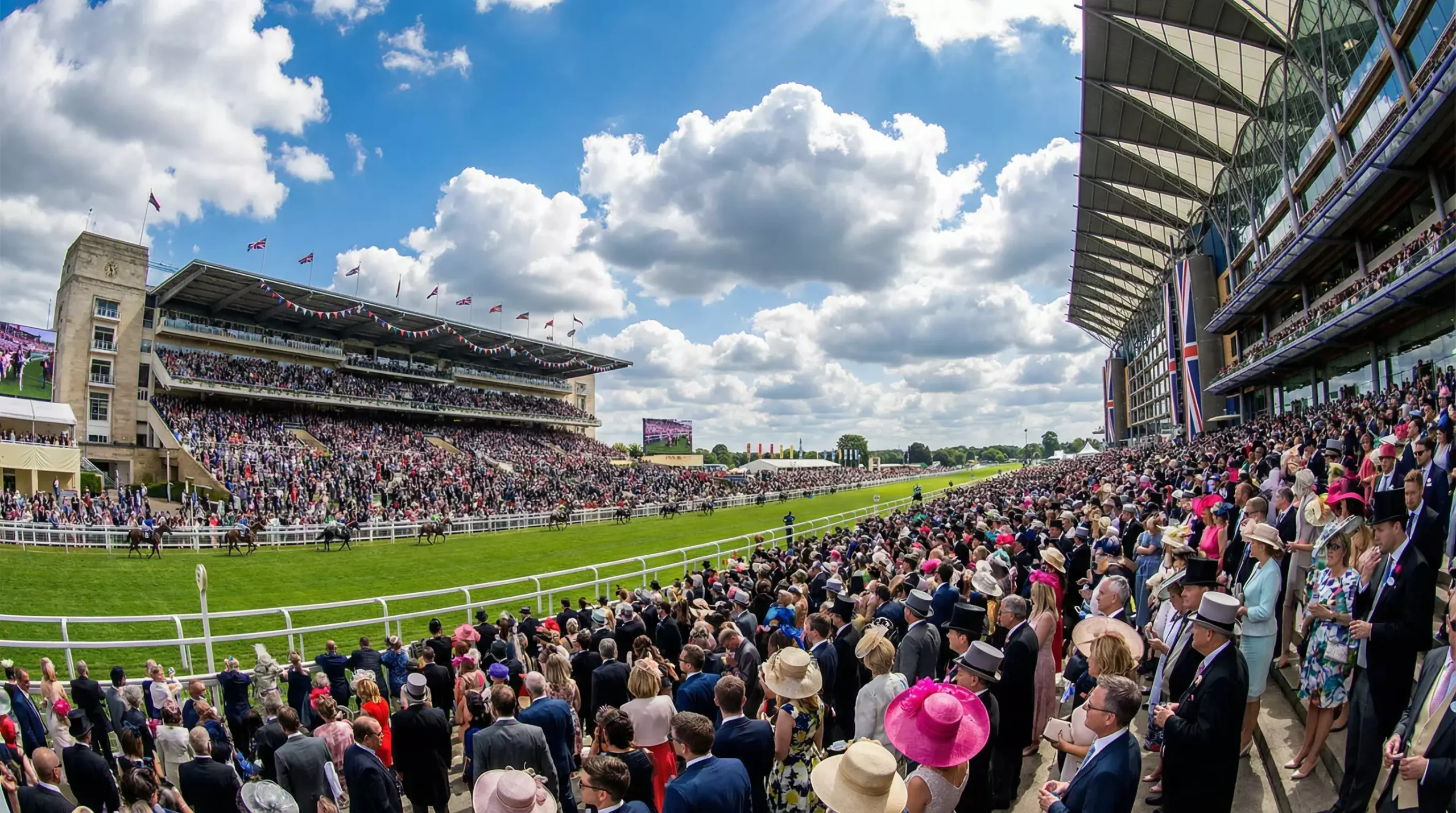
Not All Racedays Are Created Equal for SP Bettors
British racing operates on a two-tier system, and the gap between the tiers is widening. Premier racedays — the flagship fixtures featuring Group races, major handicaps, and festival cards — attract the heaviest turnover, the deepest markets, and the most competitive prices. Core racedays — the everyday fixtures that fill the midweek calendar and the quieter Saturday slots — are losing volume, losing liquidity, and producing an SP that is structurally different from the one available on the biggest days. Premier vs Core Racedays — More on this topic at horse betting sp.
The data makes the divergence stark. In 2025, average turnover per race on Premier racedays rose by 1.1%, while on Core racedays it fell by 8.1%, according to the BHA’s 2025 Racing Report. Two tiers, two different SP stories — and the punter who treats them as interchangeable is making a costly assumption.
Premier Racedays: Higher Liquidity, Tighter Prices
Premier racedays are the jewels of the racing calendar: Cheltenham Festival, Royal Ascot, the Ebor meeting at York, Glorious Goodwood, the Grand National. They also include selected Saturday cards with Group and Listed races that draw significant television audiences and international betting interest.
The defining characteristic of Premier fixtures, from an SP perspective, is liquidity. These meetings attract heavy turnover from every segment of the market — professional syndicates, serious punters, casual racegoers, and international operators. The pool from which the SP is drawn is deep and diverse, producing prices that are well-supported by volume and subject to intense competitive pressure.
That competitive pressure translates into tighter overrounds. When twenty bookmakers are competing for turnover on a Saturday Group 1, none of them can afford to price a horse significantly wider than the market without losing business to a rival. The result is overround per horse that is consistently lower on Premier days than on Core days — which means each SP is closer to the “true” price, and the structural drag on the punter is smaller.
Prize money on Premier racedays has been increasing. The BHA reported that total prize funds at Premier fixtures rose by £7.33 million in 2024, according to SBC News coverage of the annual report. Higher prize money attracts better horses, which produces more competitive fields, which in turn generates more betting interest. It is a virtuous cycle: the Premier tier feeds itself, and SP quality benefits from every turn of the wheel.
Core Racedays: Thinner Markets, Wider Margins
Core racedays are the rest — the Tuesday afternoons at Catterick, the Wednesday evenings at Wolverhampton, the modest Saturday cards that run alongside the Premier headline fixtures. They account for the majority of British racing’s annual fixture list, but they attract a fraction of the betting volume.
The turnover decline on Core racedays has been severe. In Q1 2025, average turnover per race on Core fixtures fell 14.4% compared with the same period in 2024, according to BHA data. That is not a slow erosion — it is a steep contraction, and it has been building for several years. Nevin Truesdale, CEO of the Jockey Club, has described the situation in stark terms, noting in a Racing Post interview that online turnover was down in some months by double-digit percentages year on year — at a time when field sizes in most parts of the programme were actually up, which would normally lead you to expect turnover to increase.
For SP quality, the implications are direct. Lower turnover means fewer bets shaping the market, which means each individual bet — or each bookmaker’s model — carries more weight in the SP calculation. Overround per horse tends to be higher on Core cards because bookmakers face less competitive pressure to tighten their margins. The result is an SP that charges the punter more per bet and is more susceptible to distortion by small volumes of money.
Prize money on Core racedays has moved in the opposite direction from Premier. Total prize funds at Core fixtures fell by £3.6 million in 2024. Lower prize money deters trainers from running horses, which reduces field sizes, which further diminishes betting interest. It is the reverse of the Premier virtuous cycle — a vicious cycle that erodes the market from which the SP is drawn.
What the Two-Speed Market Means for SP Quality
The divergence between Premier and Core is not just a financial story — it is a quality story. The SP on a Premier raceday is derived from a deep, competitive market with abundant data points and tight margins. The SP on a Core raceday is derived from a thinner, less competitive market with fewer data points and wider margins. Both are labelled “SP.” They are not the same product.
Consider the practical difference. A horse returns SP 5/1 at a Saturday Group 2 at Newmarket. That price was set by a market involving millions of pounds in turnover, intense competition among bookmakers, exchange activity providing an independent reference point, and coverage from every major racing media outlet. The overround per horse was likely below 2%.
The same horse, or a horse of similar ability, returns SP 5/1 at a Tuesday Class 5 handicap at Ffos Las. That price was set by a much thinner market — perhaps a few hundred thousand pounds in turnover, limited exchange activity, minimal media coverage, and overround per horse north of 3%. The number on the slip is the same: 5/1. The quality of the market behind it is fundamentally different.
For the punter who bets a mix of Premier and Core cards, this asymmetry creates a hidden drag. The Core SP costs more in margin terms, which means the same selection skill produces a worse financial outcome on Core days. A punter with a genuine 3% edge over the market would be profitable on Premier days — where the overround drag is around 2% — but unprofitable on Core days, where the drag might be 4% or more.
Adjusting Your SP Approach by Race Class
The two-speed market demands a two-speed approach.
On Premier racedays, SP is at its most trustworthy. The market is deep, the margins are tight, and the price reflects a genuine consensus. Betting at SP on Premier fixtures is a reasonable default for punters who do not want to time the market. Best Odds Guaranteed adds further value: take an early price on a Premier card, and the BOG floor plus the competitive SP ceiling creates a favourable structure.
On Core racedays, treat SP with more caution. The wider margins mean you are paying a higher price for the same bet. Consider taking a fixed price where you identify early value, and use the exchange as a benchmark — BSP on Core races may offer a better price than bookmaker SP, particularly at longer odds where the overround gap is widest. If you do bet at SP on Core cards, be selective: restrict your activity to races where the field size and market interest justify confidence in the price. See also SP Betting Mistakes.
Track your results by fixture tier. Separating your Premier and Core records will reveal whether your edge is strong enough to overcome the higher structural costs of the everyday calendar — or whether your profitability depends on the tighter margins of the big days. The two-tier market is not going away. Adapting to it is not optional — it is the price of betting intelligently in a sport that is increasingly divided.
